Streaming Royalty: How Twitch Creators Out-Earned Hollywood and Nobody Saw It Coming
Let's set a scene. A major Hollywood actor—union card, awards shelf, recognizable face on bus stop advertisements—negotiates a deal for a prestige streaming series. After agents, managers, publicists, and the entertainment lawyer who charges by the quarter-hour take their cuts, the net lands somewhere respectable. It's a good living. It's the dream.
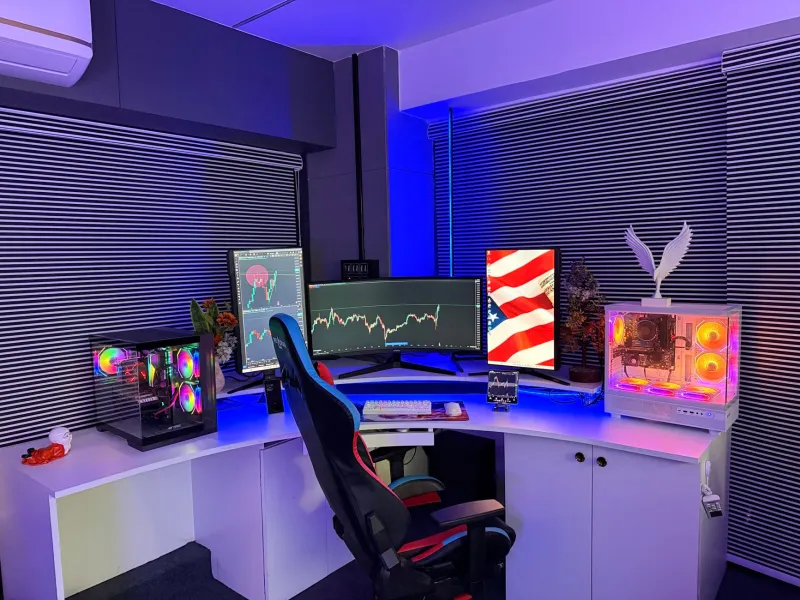
Now consider the guy in a gaming chair in his spare bedroom in suburban Texas who has 4 million Twitch followers and a sponsorship portfolio that reads like a Fortune 500 attendance list. His accountant is not having a boring year.
This is not a hypothetical. The creator economy has quietly produced a class of earners whose income structures would look alien to traditional entertainment executives—and whose influence over consumer behavior has brands rethinking where the real power in entertainment actually sits.
The Money Is Weirder (and Bigger) Than You Think
To understand why Twitch creators can rival or exceed Hollywood-tier salaries, you have to understand that they're not drawing from a single income stream. They're running what amounts to a diversified media conglomerate out of a single room.
Subscription revenue from platforms like Twitch and YouTube alone can generate substantial baseline income for top-tier creators—some pulling in six figures monthly purely from viewer subscriptions before a single ad runs or a single brand deal closes. Layer on top of that: direct donations and "bits" during streams, YouTube ad revenue from VOD content, merchandise lines, exclusive platform deals (Twitch and YouTube have both signed multi-million dollar exclusivity agreements with major creators), sponsored streams, affiliate marketing, and increasingly, equity stakes in the brands they promote.
The top end of this ecosystem—creators with audiences in the millions—can generate annual income in the range of $10 million to $50 million or beyond when all revenue channels are combined. That's not a rumor. That's a business model.
Why Brands Chose the Bedroom Over the Backlot
Here's what the brand managers figured out before Hollywood did: parasocial relationships convert.
When a viewer watches a streamer for four hours a night, three nights a week, they develop a sense of genuine connection with that person. It's not rational, but it's real. The streamer feels like a friend. And when a friend recommends a product—even when the viewer intellectually knows it's a paid integration—the trust transfer is measurably different from a celebrity in a TV commercial.
Traditional celebrity endorsements operate on aspiration: you want to be like the famous person, so you buy what they buy. Creator endorsements operate on identification: the creator feels like you, so their choices feel like yours. That psychological distinction is worth billions to brands trying to reach younger demographics who have developed near-immunity to conventional advertising.
Energy drinks, gaming peripherals, and VPN services figured this out early. But the creator sponsorship market has since expanded into financial products, clothing, food delivery, automotive brands, and luxury goods—categories that would have seemed laughably mismatched with gaming streamers five years ago. The audience has grown up, and the brands followed.
The Hollywood Comparison Nobody Wants to Make Out Loud
Industry observers are increasingly willing to say what was once considered hyperbole: the top tier of content creators has structurally surpassed many Hollywood actors in both earnings and cultural reach—at least within specific demographics.
A mid-level Hollywood actor with a few credits and a decent agent might clear $500,000 to $2 million in a good year. A mid-tier gaming creator with 500,000 dedicated subscribers can approach or exceed that range through diversified revenue, often with significantly more creative control and without the gatekeeping infrastructure of studios, casting directors, and network executives deciding their fate.
The comparison isn't perfect—Hollywood still commands broader cultural prestige, and the film industry's ceiling for A-list talent remains stratospheric. But prestige doesn't pay rent, and a growing number of young entertainment industry hopefuls are doing the math and concluding that the creator path offers a better expected value than years of audition grind.
The Celebrity Concept Is Getting a Firmware Update
What's really shifting isn't just the money—it's the definition of fame. Traditional celebrity operated on scarcity and distance. You saw a movie star on a screen, maybe at a premiere if you were lucky, and the gap between their life and yours was part of the mystique.
Creator fame operates on proximity and volume. Fans know their favorite streamer's opinions on pizza toppings, their complicated relationship with their college roommate, and exactly how they react when a game glitches at the worst possible moment. The intimacy is the product.
This has uncomfortable implications for traditional entertainment structures. Studios can no longer assume that attaching a recognizable name to a project guarantees audience interest—especially if that name belongs to a celebrity whose primary existence is on a medium their target audience doesn't consume. Meanwhile, a creator shoutout during a stream can move products, tank review scores, or turn an obscure indie game into a bestseller overnight.
What Comes Next for the New Royalty
The creator economy isn't without its instabilities. Platform dependence is a genuine risk—Twitch's repeated policy changes and monetization restructuring have rattled creators who built entire businesses on its infrastructure. Burnout is endemic in an industry that rewards constant content output. And the market for creator attention is getting crowded, making it harder for new entrants to reach the subscriber thresholds where serious money starts flowing.
But the structural shift has happened. The question isn't whether digital creators can rival Hollywood earners—demonstrably, some already do. The question is what traditional entertainment does about an ecosystem that built itself outside their walls, plays by different rules, and is increasingly winning the attention war.
So far, the answer from Hollywood has mostly been: offer them acting roles and hope for the best.
The creators, for their part, seem perfectly fine without the invitation.