The Streamer Is the Kingmaker Now: How One Playthrough Can Crown—or Bury—Your Game
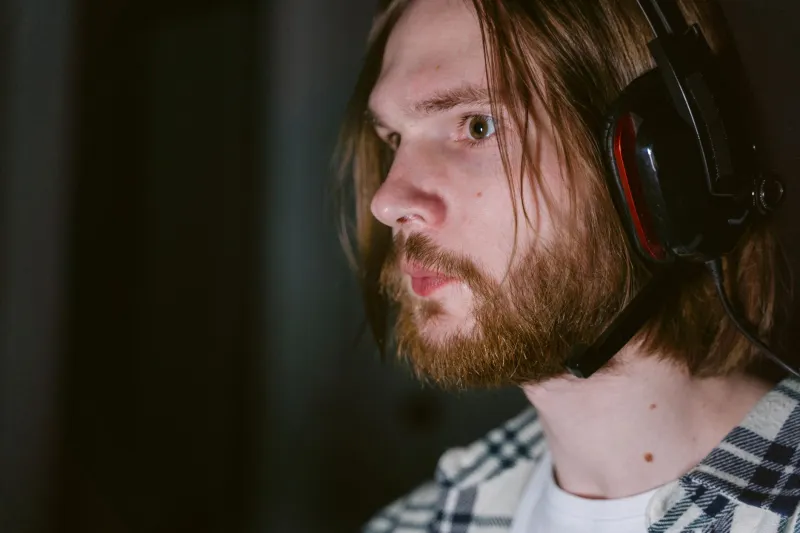
Somewhere in a game publisher's war room, a marketing executive is watching a live stream with the focused intensity of someone monitoring a stock they bet their retirement on. Because in a very real sense, they are. The streamer on screen has 6 million followers, is currently on hour three of playing the studio's newest release, and has not yet said anything catastrophic. So far, so good.
This is the modern game launch: a white-knuckle negotiation between the product a studio spent five years and $200 million building, and the unscripted, unfiltered, real-time verdict of people who built their audiences by being brutally honest about games. Welcome to the age of the streamer-as-gatekeeper, where the most important review your game will ever receive might happen live, with two million people watching, and no editorial appeals process.
From Critics to Creators: How the Gatekeeping Shifted
For decades, the game industry's influence hierarchy was relatively legible. Trade publications and review sites assigned scores. High Metacritic aggregates drove retail placement and bonuses. A 9/10 from IGN moved units. Publishers built their PR strategies around managing that pipeline, cultivating relationships with press, and timing review embargoes for maximum impact.
That pipeline still exists. But it increasingly competes with—and often loses to—a parallel system where influence is measured in concurrent viewers and subscriber counts rather than editorial credibility. When a major streamer picks up a game, the audience impact can dwarf anything a traditional review generates. A single viral clip from a streamer's playthrough can reach tens of millions of people who never sought out a formal review in their lives.
The shift wasn't sudden. It accumulated over years as streaming platforms grew, as younger audiences migrated away from traditional gaming media, and as the experience of watching someone play—the reactions, the running commentary, the shared discovery—proved to be genuinely compelling entertainment in its own right.
The Case Studies That Changed the Conversation
The clearest examples of streamer influence on commercial outcomes aren't hypotheticals—they're documented market events.
Among Us is the most famous. Released in 2018, it spent two years in relative obscurity before a cluster of high-profile streamers picked it up in 2020 and turned it into a global phenomenon. The game didn't change. The marketing didn't change. A handful of creators decided it was fun, their audiences agreed, and the result was one of the most remarkable commercial revivals in gaming history.
The inverse is equally instructive. Games with troubled launches—Redfall and Skull and Bones being recent examples—saw their struggles amplified exponentially when streamers broadcast their frustrations to millions of simultaneous viewers. A broken launch becomes a content event. Streamers aren't just reporting the fire; in some cases, the stream is the fire, spreading perception faster than any PR response can travel.
Smaller indie titles have also benefited dramatically from streamer adoption. Games like Lethal Company and Content Warning were built almost explicitly for streaming—cooperative, chaotic, endlessly clippable—and their commercial success was essentially inseparable from their creator-friendly design. The studios knew what they were doing. They built for the stream first and the player second.
The Publisher Courting Game (No Pun Intended)
If streamers are the new kingmakers, publishers have become very enthusiastic courtiers. The mechanisms of creator relations have evolved into a sophisticated—and sometimes ethically murky—industry practice.
Early access programs, once reserved for press, now routinely prioritize creators with large audiences. Sponsored streams—where creators are paid to play and promote a title—have become standard practice, sometimes disclosed clearly and sometimes not. Gaming companies maintain dedicated creator relations teams whose entire job is managing relationships with influential streamers, sending gifts, offering exclusive access, and generally keeping the talent happy.
Some publishers have gone further. Influencer-only preview events, custom in-game items for popular creators, and revenue-share arrangements are all documented practices. The line between organic endorsement and paid promotion has become genuinely difficult to locate, and the Federal Trade Commission's disclosure guidelines—which technically require creators to label sponsored content—are enforced with a consistency that industry observers charitably describe as "inconsistent."
The Ethics Nobody Wants to Talk About
Here's the part that makes everyone uncomfortable: the most powerful marketing force in gaming operates almost entirely outside the regulatory structures that govern traditional advertising.
When a television commercial promotes a game, it's labeled. When a celebrity appears in a print ad, the commercial relationship is disclosed. When a streamer with 8 million followers plays a game they were paid to play, the disclosure might be a brief verbal mention, a small on-screen graphic, or—in some cases—nothing at all.
The power asymmetry is significant. Viewers, particularly younger ones, may not fully process the commercial nature of a sponsored stream the way they'd process a traditional advertisement. The parasocial trust that makes creator endorsements so valuable to brands is the same mechanism that makes undisclosed sponsorships potentially exploitative.
Creators themselves are divided. Some maintain strict disclosure practices and turn down deals that feel incompatible with their audience's trust. Others operate in a gray zone that's profitable in the short term and corrosive to credibility in the long term. The industry, for its part, has largely preferred to let the ambiguity persist rather than push for clearer standards that might complicate the marketing pipeline.
What Studios Are Actually Sweating About
The traditional entertainment industry's anxiety about creator influence isn't just about market share. It's about control—specifically, the loss of it.
Film and TV studios have spent a century building systems for managing how their products are received: embargo dates, curated press screenings, carefully orchestrated promotional campaigns. Gaming publishers developed similar playbooks. All of those systems assumed that the path from product to consumer ran through controllable intermediaries.
Streamers broke that assumption. A creator with a bad experience can go live before a studio's PR team has finished their morning coffee. A viral clip of a game-breaking bug can reach more people than a launch trailer. The feedback loop between product and public perception has compressed from weeks to minutes, and publishers are still adapting to a world where the controlled narrative is mostly an illusion.
The studios that are handling it best have stopped trying to control the conversation and started trying to earn it—building games that streamers genuinely want to play, engaging with creator communities authentically, and treating the streaming ecosystem as a partner rather than a promotional tool to be managed.
The ones still trying to manage it like it's 2012 are finding out, one brutal live stream at a time, that the kingmaker doesn't take requests.