Game Over? Nope: How Cancelled Shows Respawned in the Wildest Ways Possible
There's a particular kind of grief that only TV fans understand. You're eight episodes deep into something genuinely brilliant — the world-building is tight, the characters feel like people you actually know, and the season finale just dropped a jaw-on-the-floor twist — and then the cancellation notice hits your feed like a blue shell on the final lap. Brutal. Unfair. Completely demoralizing.
But here's the thing about fandoms in 2025: they've gotten really, really good at refusing to accept a bad ending. Whether it's through video game tie-ins, crowdfunded comic book runs, or full-blown fan productions that would make a Hollywood studio blush, some cancelled shows have found second lives so rich that the original cancellation almost feels like a plot twist rather than a full stop. Let's load up the save file and revisit some of the most impressive comeback stories in the history of prematurely axed entertainment.
When the Credits Roll, the Community Picks Up the Controller
The most famous example of a cancelled show living on through gaming? That would be Firefly — Joss Whedon's space western that Fox infamously cancelled after a single season in 2002. While the follow-up film Serenity gave fans some closure, the universe truly kept flying thanks to video games and tabletop RPGs. The Firefly Online game, despite its troubled development history, became a rallying point for Browncoats who simply refused to let the 'verse go dark. More successfully, the Firefly tabletop RPG from Margaret Weis Productions became a genuine cult classic, letting fans pilot their own ships and run their own heists in a universe the network abandoned.
The lesson here is a powerful one: when a studio gives up on a world, fans don't always have to. They just pick up a different controller.
Comic Books: The Respawn Point Nobody Talks About Enough
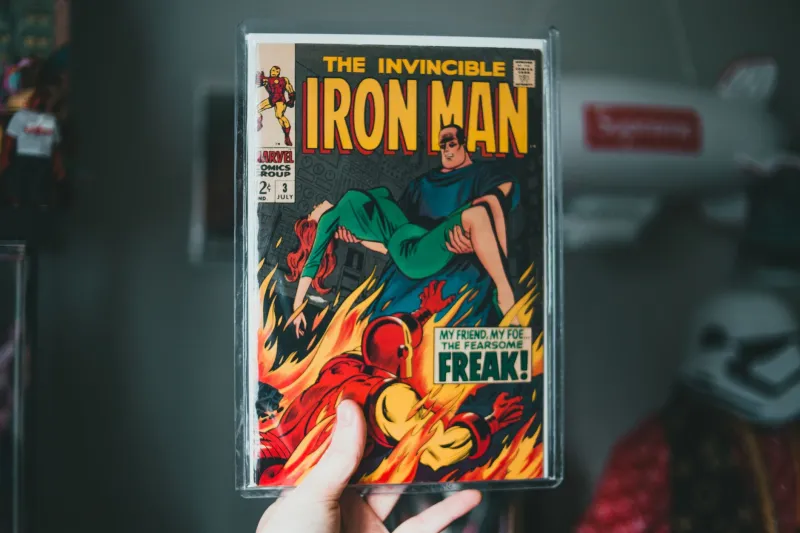
Dark Horse Comics and IDW Publishing have basically built entire wings of their catalogs on the bones of cancelled TV shows, and honestly, good for them. Buffy the Vampire Slayer continued for years in comic form after the WB wrapped things up, with creator Joss Whedon directly involved in scripting canonical "seasons" that pushed the story further than network television ever could have. The comics didn't just plug a gap — they went harder, introducing storylines too expensive or too weird for primetime.
Similarly, Serenity: Leaves on the Wind gave Firefly fans a post-film continuation that felt authentic to the original voice. The format turned out to be a feature, not a bug: comics don't have production budgets, union negotiations, or skittish network executives. They just have story. For shows that were always fighting for breathing room on a broadcaster's schedule, the comic book medium is basically a cheat code.
Fan Projects: The Underground Level Most People Don't Know Exists
Here's where things get genuinely inspiring. When Star Trek: Enterprise was cancelled in 2005, fans didn't just write angry letters to UPN — some of them actually made more Star Trek. Fan productions like Star Trek Continues and Star Trek: New Voyages produced full-length episodes with surprisingly high production values, completing storylines and giving beloved characters proper send-offs. These weren't low-effort tribute videos. These were dedicated communities pooling real resources, real talent, and real passion to finish what the network started.
More recently, the cancellation of Sense8 by Netflix in 2017 triggered one of the most organized fan campaigns in streaming history. The outcry was loud enough that Netflix actually greenlit a two-hour finale film — a rare win that proved collective noise can sometimes move the needle. The Sense8 situation became a blueprint for fan activism, and its success has quietly raised the stakes for every cancellation announcement since.
The Gaming Pipeline Runs Both Ways
While plenty of games have been inspired by cancelled shows, there's an increasingly interesting trend running in the other direction: games that essentially are the cancelled show, just in a different medium. When Telltale Games was at its peak, it had a habit of picking up beloved-but-struggling IP and turning it into interactive narrative gold. The Walking Dead game didn't just complement the AMC show — for many fans, it delivered a more emotionally satisfying story than the TV series ever managed.
The takeaway for studios should be obvious: if you're sitting on a cancelled property with a passionate fanbase, the gaming world is waiting with open arms and an open development pipeline. Interactive storytelling lets fans participate in the world rather than just observe it, which is a fundamentally different and often more durable kind of engagement.
Why This Matters More Than Ever in 2025
The streaming era has turbocharged cancellations in a way that cable never quite managed. When a broadcast network axed a show, it was usually after a full season or more of declining ratings — a slow fade. Streaming platforms, operating on different metrics and shorter timelines, have gotten comfortable pulling the plug on shows that haven't even had time to find their audience yet. One-and-done cancellations have become almost routine.
That makes the creative ecosystems that form around cancelled properties more important than ever. Fan wikis, Discord servers, Reddit communities, Kickstarter campaigns for spiritual successors — these aren't just hobby projects. They're cultural preservation in real time, keeping story worlds alive while studios move on to the next content drop.
And increasingly, those communities are getting noticed. Publishers scout fan fiction for licensing opportunities. Game developers monitor fandom activity to gauge appetite for adaptations. The line between "fan project" and "official continuation" has gotten genuinely blurry, and that's a beautiful thing.
The Final Boss Is Apathy — And Fans Keep Beating It
Here's the optimistic read on all of this: a show being cancelled is no longer necessarily the end of its story. It might just be the end of chapter one. The tools available to fans — from crowdfunding platforms to accessible game development engines to print-on-demand publishing — have lowered the barrier to continuation in ways that simply didn't exist twenty years ago.
Some of the most creatively vibrant corners of pop culture right now exist in the spaces between official releases, in the fan-made expansions and comic continuations and tabletop RPGs built around worlds that studios gave up on. That's not a consolation prize. That's a genuinely exciting ecosystem.
So the next time your favorite show gets cancelled and the algorithm serves you a cheerful "Thanks for watching!" banner where the renewal announcement should have been, don't just close the app in defeat. Find the fandom. Check if there's a comic run. Look for the fan game. The save point might already be there, waiting for you to press continue.
Because in entertainment, as in gaming, game over is sometimes just the beginning of the real playthrough.