Drop It All or Make 'Em Wait: The Science Behind Why Release Schedules Are Secretly Messing With Your Feelings

Drop It All or Make 'Em Wait: The Science Behind Why Release Schedules Are Secretly Messing With Your Feelings
Imagine sitting down on a Friday night with a brand new show, fully intending to watch one — maybe two episodes — and then waking up at 3 a.m. with six episodes under your belt and a vague sense of guilt. Now imagine the alternative: a single episode drops every Wednesday, you watch it, you think about it for four days, you theorize with coworkers, and by the time episode two arrives, you're practically vibrating. Same show. Completely different emotional experience.
This isn't an accident. Streaming platforms have turned release schedules into a science, and whether they're dumping a whole season on your lap or doling out episodes like precious rations, they're actively engineering how attached you get. Buckle up, because we're about to nerd out on this harder than a speedrunner studying frame data.
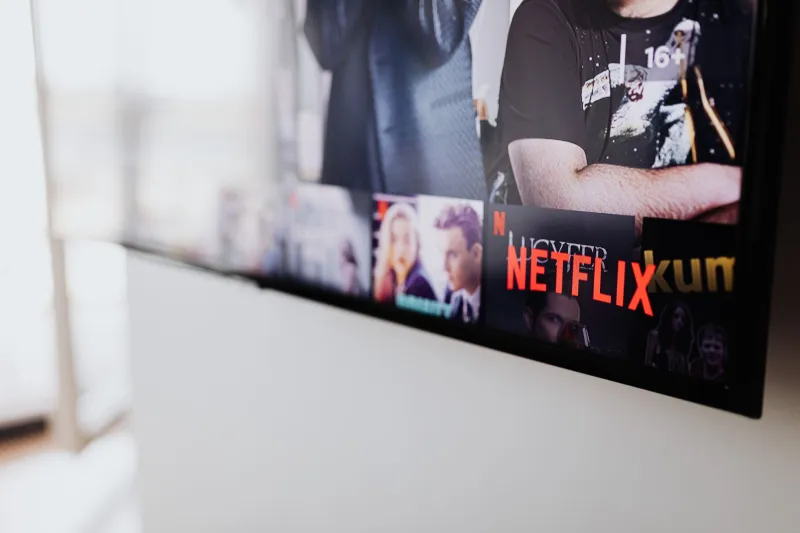
The Binge Model: Netflix's All-You-Can-Eat Buffet Strategy
Netflix popularized the full-season drop back in 2013 with House of Cards, and it was genuinely revolutionary. Suddenly, viewers weren't slaves to a broadcast schedule. You want to watch all of Stranger Things in a weekend? Go for it, champ. Nobody's stopping you.
And people loved it — at first. The immediate gratification hit different. Nielsen data from recent years consistently shows massive viewership spikes in the first 72 hours after a Netflix drop, with engagement numbers that make linear TV executives weep into their golf shirts. Squid Game Season 1 became a global cultural bonfire almost overnight, precisely because everyone had access to the whole thing simultaneously.
But here's where it gets spicy: that initial explosion tends to fizzle fast. Once everyone's binged it, the conversation dies. There's no "did you see THAT ending" moment because half your friends watched it three days ago and the other half haven't started yet. The water cooler goes quiet shockingly quickly. Research from analytics firm Parrot Analytics has shown that binge-release titles often see a sharp drop-off in audience demand scores within two to three weeks of launch, compared to weekly shows that sustain buzz over a longer arc.
In gaming terms, it's like releasing a game with no post-launch content. Huge day-one numbers, then everyone moves on to the next thing.
The Weekly Model: Disney+'s Patience-Is-a-Virtue Play
Disney+ came in with a different philosophy right out of the gate. The Mandalorian dropped one episode at launch, and then made viewers wait. Every. Single. Week. And you know what? People lost their minds — in a good way.
Baby Yoda (don't @ us, we know his name) became a meme machine partly because there was time between episodes for the internet to process, react, and go absolutely feral. That weekly gap is essentially free marketing. Fans fill the silence with theories, fan art, TikToks, Reddit threads, and approximately 47 different podcast episodes dissecting a single scene. The show stays alive in the cultural conversation for months instead of weeks.
HBO has played this game masterfully for decades — The Last of Us and House of the Dragon both benefited enormously from the weekly format. The Sunday night appointment-viewing ritual created a shared communal experience that binge shows genuinely struggle to replicate. According to a 2023 report from Hub Entertainment Research, viewers who watch shows weekly report higher satisfaction scores and stronger emotional connection to characters than those who binge the same content.
Weekly watching, it turns out, gives your brain time to actually miss the characters. And missing something means you care about it. That's just psychology doing its thing.
Your Brain on Episodes: The Dopamine Math
Let's get briefly nerdy, because this is genuinely fascinating. Binge-watching floods your brain with dopamine hits in rapid succession — each episode ending on a cliffhanger triggers just enough anxiety to make you hit "next episode" before the credits finish rolling. It's the same mechanism behind slot machines and infinite scroll. You're not so much choosing to keep watching as you are unable to stop.
Weekly releases, by contrast, use what psychologists call the Zeigarnik Effect — the brain's tendency to obsessively remember and think about unfinished tasks. An unresolved cliffhanger that you can't immediately resolve because the next episode doesn't exist yet? Your brain will chew on that for days. That cognitive engagement deepens your investment in ways that instant gratification simply can't.
The irony is that the format that feels less satisfying in the moment — waiting a whole week — actually tends to produce stronger long-term attachment to a series.
So Which Format Are You, Actually?
Here's the thing: neither model is objectively superior. They serve different viewer personalities, and knowing which camp you fall into can genuinely help you get more out of your streaming stack.
You're a Binge Person if: You hate spoilers with a burning passion, you prefer emotional immersion over social participation, and you'd rather experience a story on your own terms than be held hostage to a release calendar. Shows like Beef, The Fall of the House of Usher, or Ozark hit differently when you can let the whole narrative wash over you in big chunks.
You're a Weekly Person if: Half the fun is the conversation — texting your group chat at 11 p.m. with unhinged theories, listening to recap podcasts, and experiencing the collective gasp of a nation when something wild happens. You want the show to be an event, not just content you consumed.
You're chaotically both if: You binge half a season, get distracted by life for two weeks, come back, forget what happened, rewatch three episodes, and then somehow end up more invested than anyone. Respect. We see you.
The Hybrid Experiment and What It Means for 2025
Some platforms are testing middle-ground approaches — dropping two or three episodes at launch to hook viewers, then switching to weekly releases. Ted Lasso used a version of this. Amazon Prime Video has experimented with it too. It's an attempt to get the best of both worlds: the immediate buzz of a multi-episode premiere plus the sustained engagement of weekly drops.
Whether that hybrid model sticks around likely depends on what the data keeps showing. And right now, the data is increasingly whispering that weekly releases build more durable fandoms, even if they generate less explosive opening weekends.
For streaming platforms fighting tooth and nail for subscriber retention in an increasingly crowded market, "durable fandom" isn't just a nice-to-have. It's the whole game.
Press Start on Your Own Viewing Strategy
Next time a new show drops, take a second before you slam that play button. Ask yourself: do you want the full immersive plunge, or do you want to savor it, let the internet do its thing, and make it last? There's no wrong answer — but there is a smarter one depending on what kind of viewer you actually are.
Either way, the platforms already know which buttons to push. Might as well know it too.